Origins of Shaolin Kung Fu
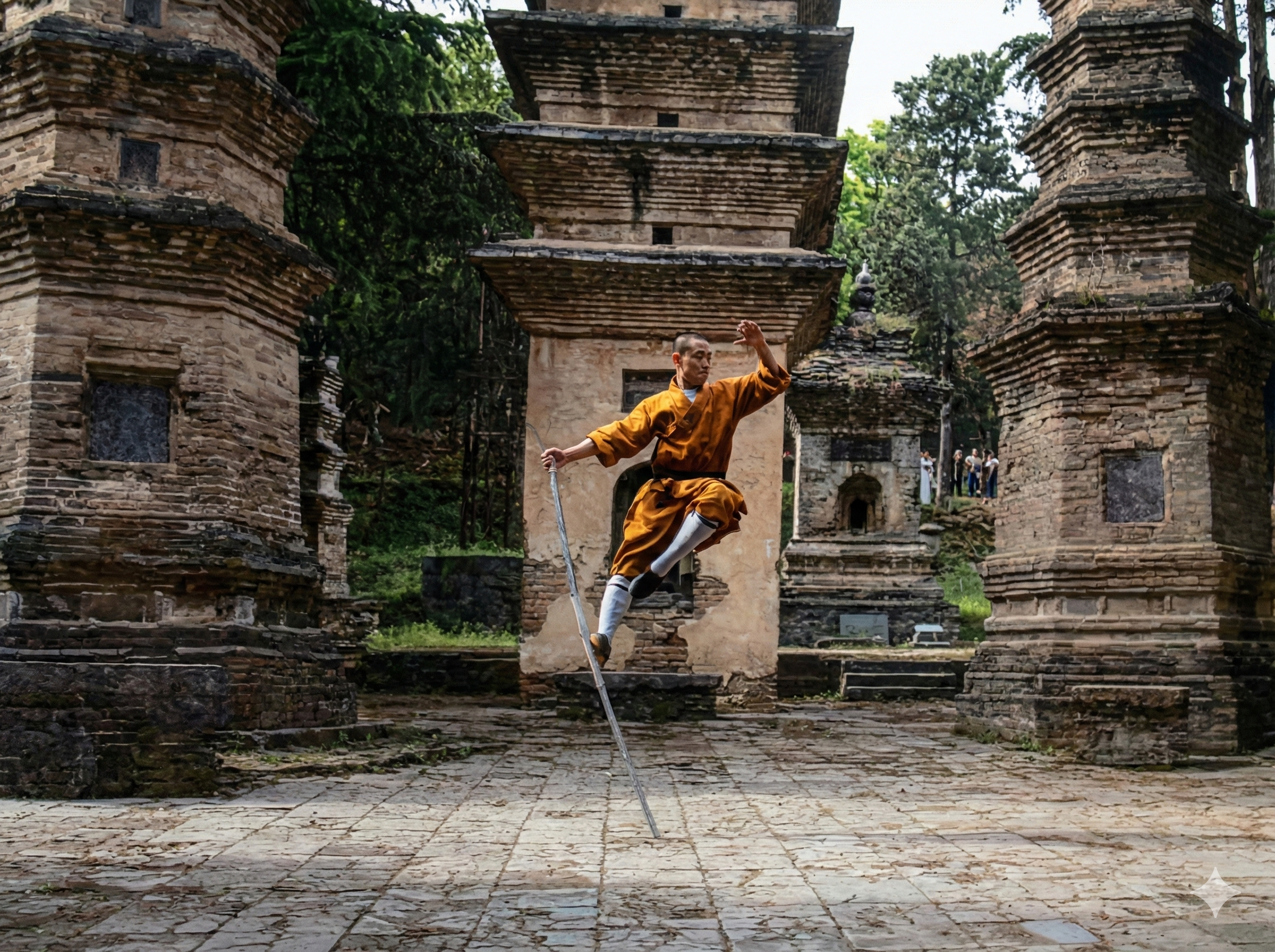
Shaolin Kung Fu originated over 1,500 years ago at the Shaolin Temple in Henan, China, where Buddhist monks combined spiritual practice with martial training to cultivate discipline, strength, and self-defence. Rooted in Buddhist Zen (Chan) philosophy, it began as a way for monks to maintain health and protect the temple, eventually evolving into a highly structured system of combat techniques, animal-inspired forms, and weapon skills.
The origins of Shaolin Kung Fu were heavily influenced by the Bodhidharma, the Indian monk who introduced Zen Buddhism to China in the 5th–6th century. He taught meditation alongside physical exercises to strengthen the monks for long hours of practice, laying the foundation for martial routines that blended health, discipline, and self-defence. Over centuries, these methods grew into the renowned tradition of Shaolin Kung Fu, where combat techniques were inseparable from spiritual cultivation.
Shaolin Kung Fu became renowned as the cradle of Chinese martial arts, influencing countless other styles and earning the saying, “All martial arts under heaven originated from Shaolin.” Today, it stands as both a spiritual discipline and a cultural treasure, embodying the harmony of body, mind, and spirit
Fighting Styles of Shaolin Kung Fu
Shaolin Kung Fu is traditionally divided into two major schools: Northern Shaolin, rooted in the Henan Shaolin Temple, and Southern Shaolin, linked to the Fukien Shaolin Temple. Both share the famous five animal forms—dragon, snake, crane, tiger, and leopard—but developed distinct approaches. Northern Shaolin emphasizes agility, mobility, and long-range techniques, with branches such as Hung (strength-focused), Kung (soft, tactical), and Yue (a blend of hard and soft). Southern Shaolin, by contrast, evolved into five main branches, each with its own emphasis on close-range power and hand techniques.
While old sayings suggest Northern Shaolin relies more on legwork and Southern Shaolin on handwork, modern practice shows these differences are less rigid. Historically, monks traveled widely and adapted their skills to diverse terrains and climates, blending northern and southern methods. Today, Shaolin Kung Fu is recognized not for division but for its rich variety, uniting strength, agility, and philosophy into one enduring martial tradition.

Beginner 1 Class - 4:00-5:00pm
The Beginner 1 class focusses on basic forms and techniques - such as Horse stance and Bow stance - and fun, physical exercises that promote strength, balance and flexibility.
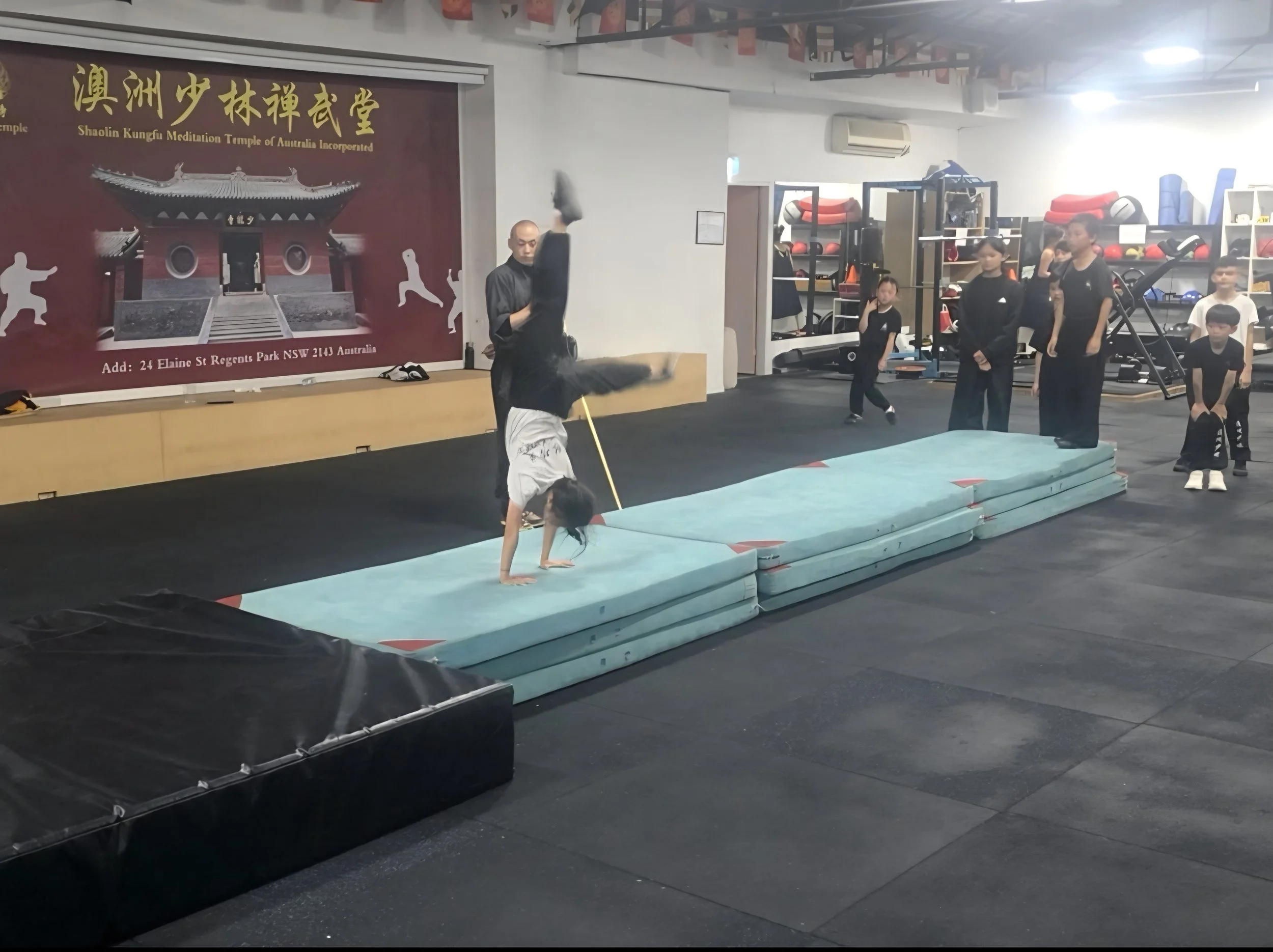
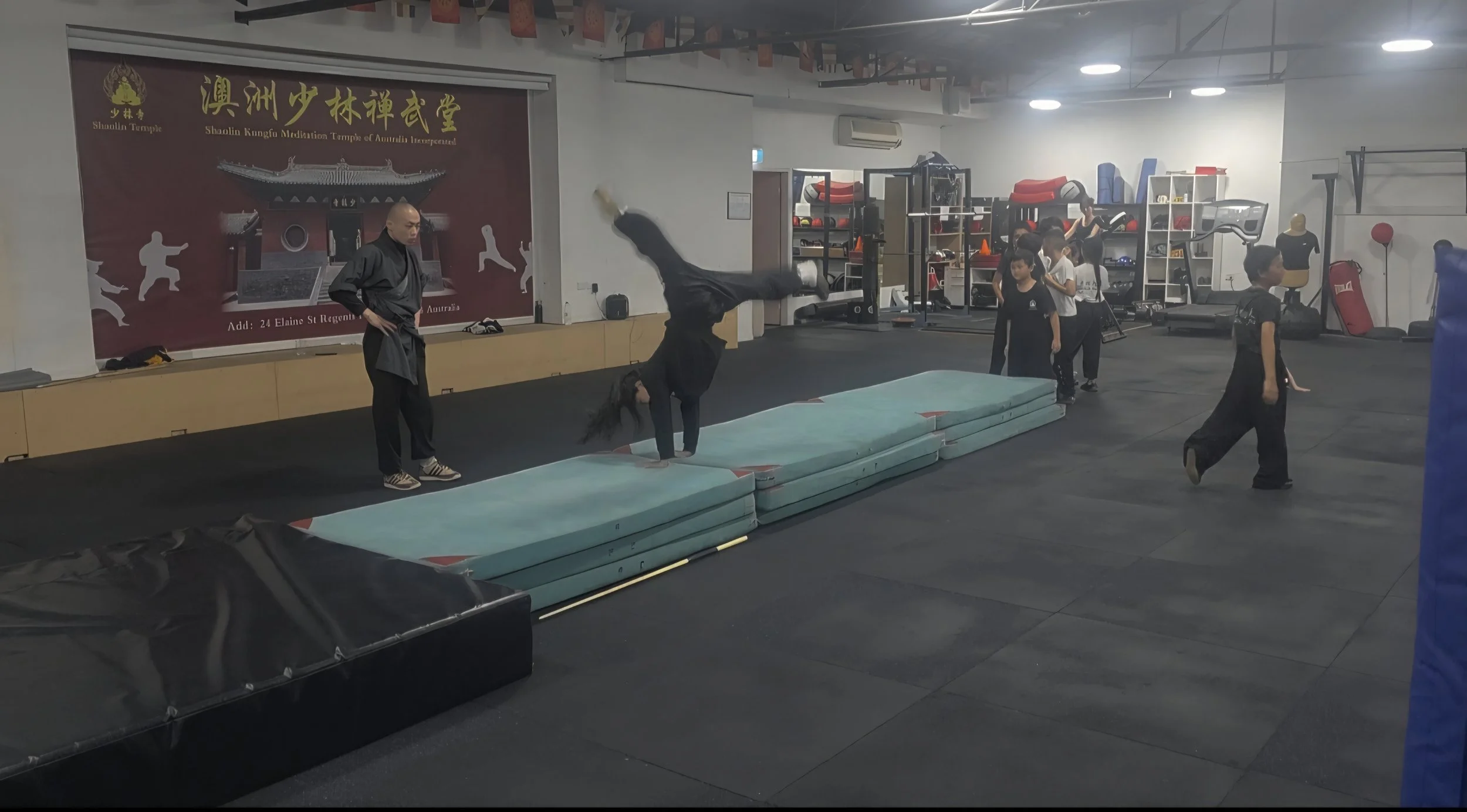
Students in this class can look forward to learning how to do a lot of flips and rolls on the mats, under the guidance of Shifu Yan Ming.
The emphasis is on developing confidence and coordination while cultivating discipline, respect and focus.
Beginner class is open to children aged 5+.
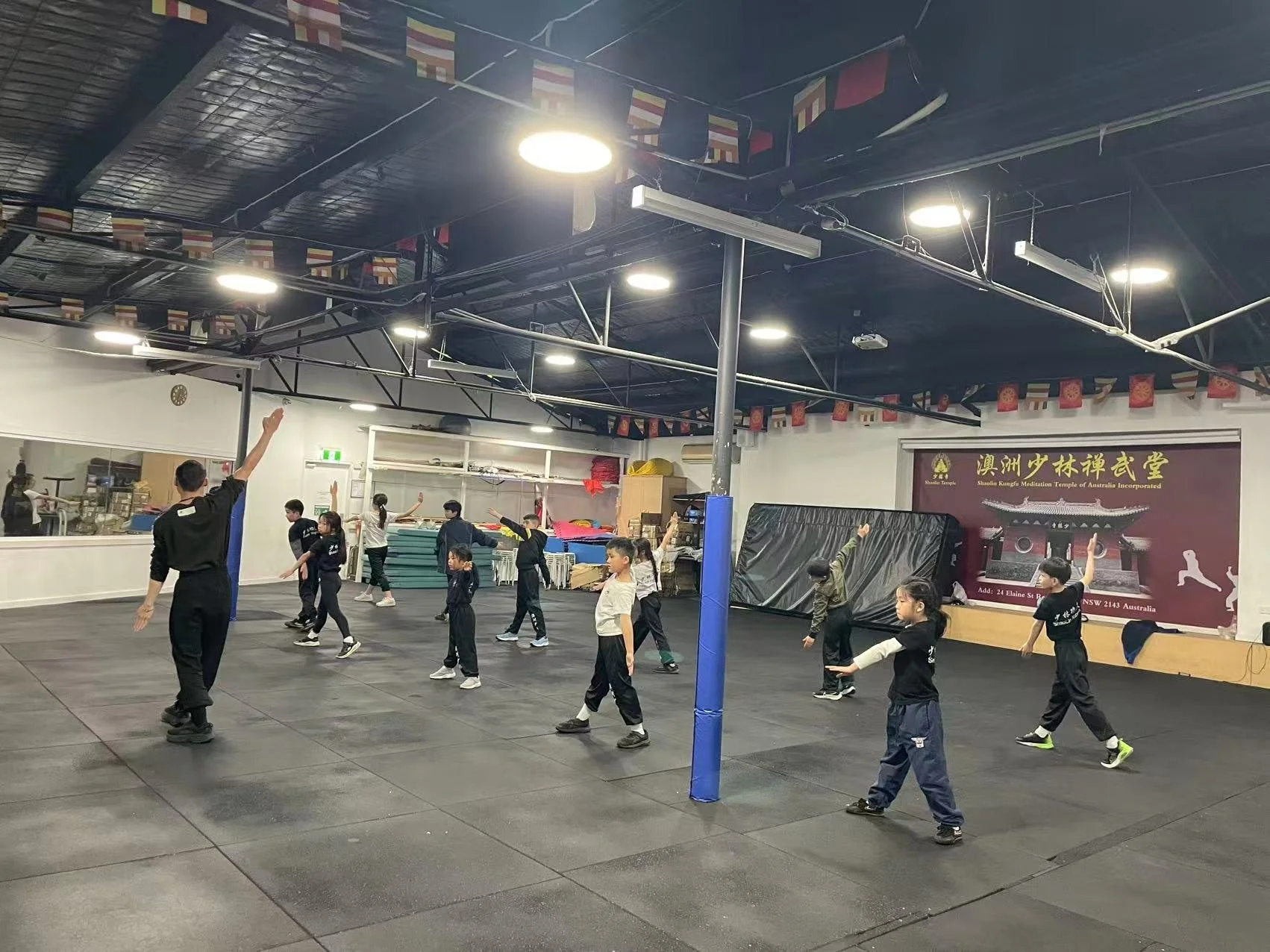
Beginner 2 Class - 5:30-6:30pm
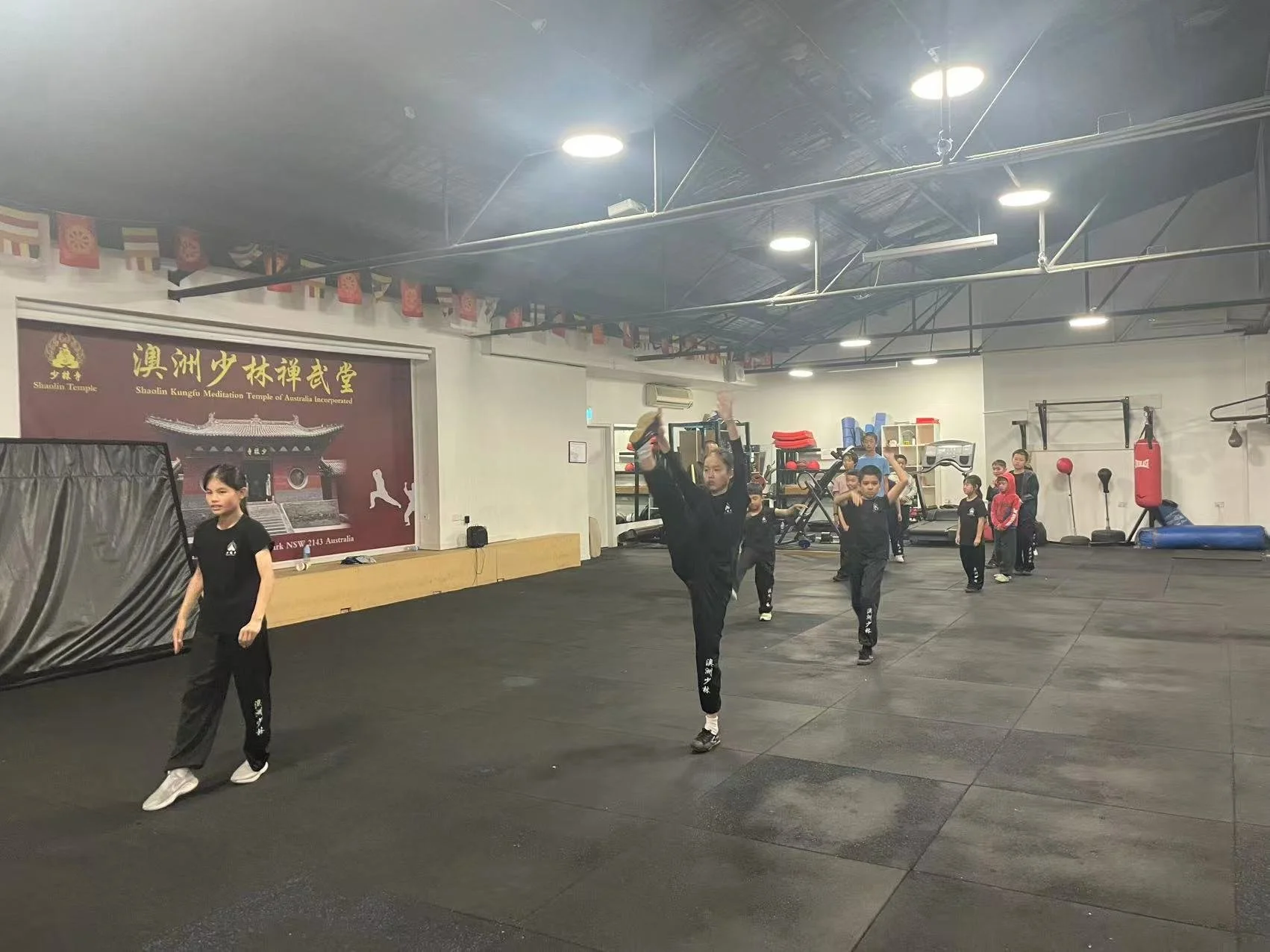
Beginner 2 class builds upon the foundations taught in Beginner 1 class. Students are now more practiced in the basic forms, with conditioned strength, focus and flexibility, and are now getting introduced to more advanced forms and self-defence techniques such as:
5-animal form
second form
thirteen form
There is still a heavy focus on completing flips and rolls safely, but exercises are performed to a higher intensity.
Students in this class may look forward to exploring forms with weapons (dull replicas).
Both beginner classes are open to children of all ages, but this class is typical attended by more practiced students.
Student Testimonial - Vianna
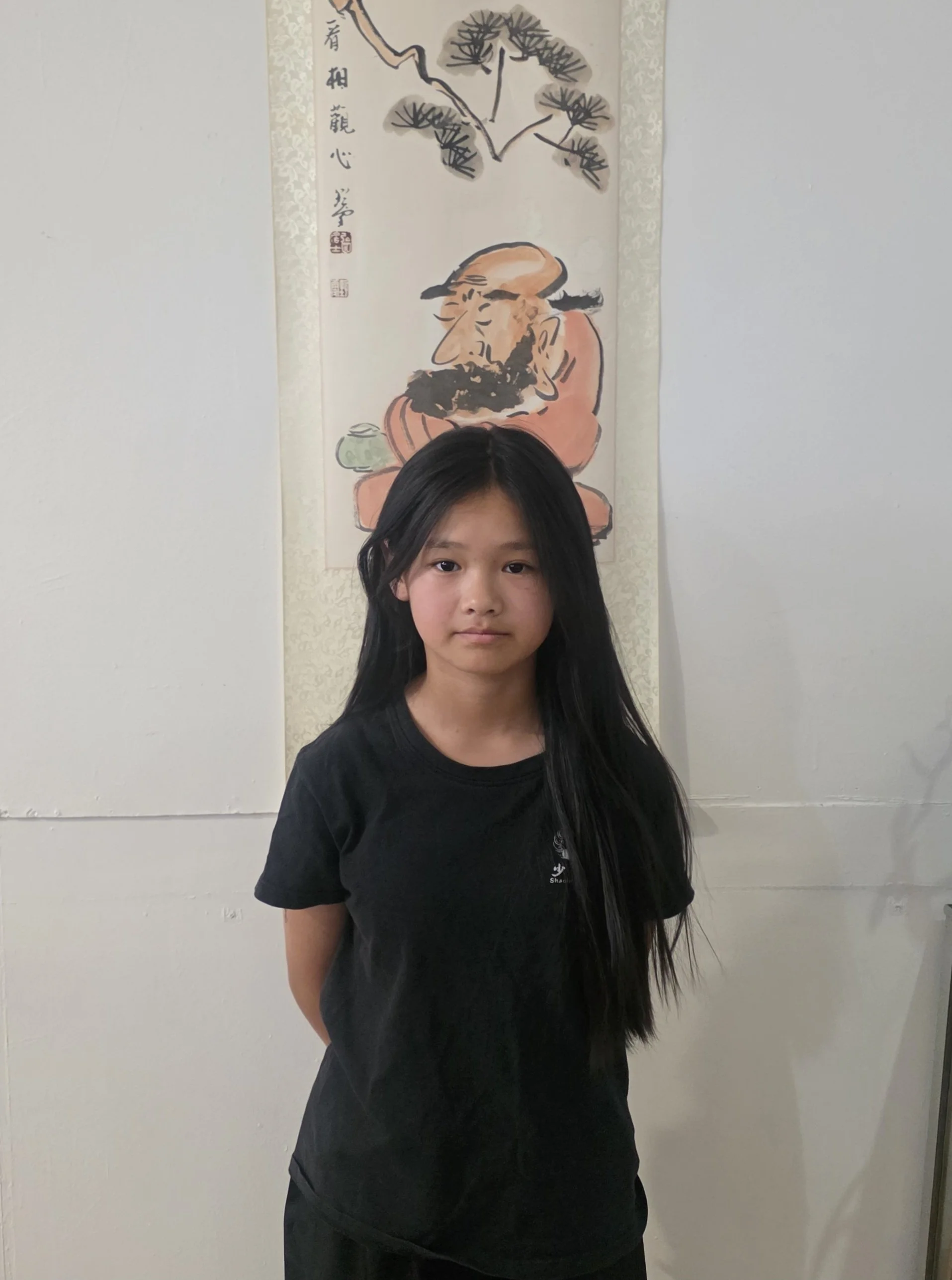
‘I have been training for half a year and I’m in the second class. I enjoy the running and playing games, and getting to do backflips. Shifu is really funny, and he plays games with us like hide and seek! Sometimes, when we do good, he also gives us snacks like candies, chips and chocolate.
Shifu has been teaching us thirteen form, second form and 5-animal form. We’ve also been doing kicks like the straight kick, outside kick and inside kick, and other flips like the head flip and front flip. It’s fun when Shifu holds up the stick for us to flip over, and when he makes a higher stage for us with the mats and help us do a proper backflip!
The thing I like most about training Kung Fu is getting better at skills and learning new things’
Adult Class - 7:00-8:00pm
The Adult class welcomes people of all experiences to come and train with Shifu Yan Ming.
Classes start with all students completing a warm-up run and stretches, before moving into kicks, punches and basic forms to open up the joints and encourage fluidity through the movements.
From there students will diverge and practice forms in alignment with their own experience and skill level, while Shifu circulates around the class and provides guidance.
Adult students can expect to do less flips than the kids classes, but practice more advanced forms. New students may start with empty-hand forms, or weapon forms such as stick form, depending on how Shifu assesses your ability. With dedicated work and committed attendance over time, Shifu aims to share all of his well-cultivated knowledge and abilities.
Kung Fu Class Punch-Card Prices

4-Class Card - $80
10-Class Card - $150
20-Class Card - $200
Each card is valid for one month from the date of the first class punch.
Expired cards will be void automaticallyCards are non-transferrable and registered under the student’s name.
Once sold, cards are non-refundable and cannot be extended.
Students are advised to arrange their class schedule within the validity period.Please present your card before or after class, to be punched by the instructor or responsible staff
Usage Conditions:
Shaolin Kung Fu Uniform Price List
Pants - $30
T-Shirt - $20
Arhat Coat - $70
Shoes - $20
Xtep Shoes - $65
*uniforms aren’t mandatory for training, but it is definitely recommended to wear appropriate footwear, and clothes that allow for full range of movement